The following is from the newest book by Tami Parr, Goats in America, a Cultural History. I had the good fortune of reading an advance copy of this important and entertaining work! If you love goats and history, this book’s a must read. Please visit Bookshop.org to purchase online from your favorite local independent bookstore, Oregon State University Press, or any other major online retailer.
Goats in Nineteenth-Century Cities (page 16-17)
During the nineteenth century, the city of San Francisco had a goat problem. A local newspaper provided the details: “residents . . . complain bitterly of the ravages committed on their shrubbery by herds of goats, which infest [the area], roaming hither and thither, and devouring whatever comes their way. No fence is a protection against the nimble footed thieves[.]” Goats roaming through the city’s streets caused already frayed tempers to boil over. An outraged citizen complained of “[n]umerous flocks of goats and sheep of all ages . . . leaping over and even breaking down gates and railings and gratifying their simple tastes.” In a more serious incident, a frustrated man shot at a goat running through the streets, almost hitting a bystander; the near victim sued.
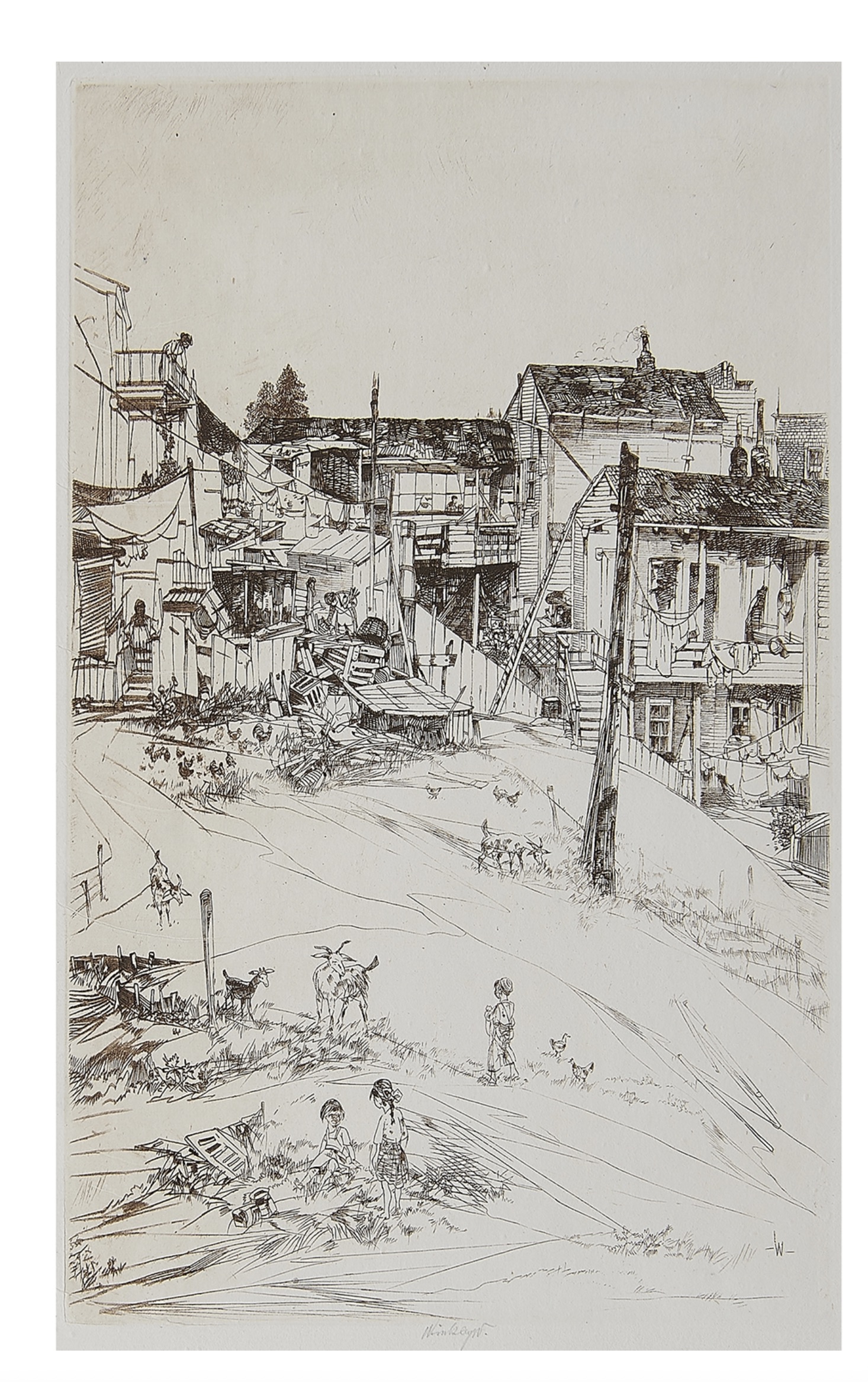
San Francisco was not the only American city with a goat problem. Goats ranged freely through the streets of cities up and down the Eastern Seaboard, from New York to Baltimore and Washington DC. In nineteenth century Baltimore, residents complained bitterly and often about stray goats that “enter[ed] any premises they find open” and destroyed their yards. “Shrubbery or garden vegetables stand but a poor chance if [goats] find their way in. And indeed, they will get where clothing is hung out to dry and will eat them into holes.” Goats were also a regular part of life in Philadelphia; according to one report, a nine-year old boy was injured as he attempted to pet a goat. The goat’s horns just missed severing the boy’s windpipe. In Washington DC, a colorfully described “reckless chamois of the Alps” broke through the front window of a house, intending to eat the plants visible inside. James Maher, who bore the title of United States public gardener, wrote a letter to The Republic newspaper complaining about the stray goats destroying chestnut trees he’d so carefully planted along Pennsylvania Avenue.
Since the earliest days of European colonization, domesticated livestock were a primary basis of human sustenance and livelihood in what is now the United States. The American economy developed around agricultural production, and wealth was typically determined by the land and animals that a family owned. But starting in the nineteenth century, everything changed. The Industrial Revolution, already well underway in Europe, began to reshape the United States economy. The earliest textile mill, a cotton spinning factory, opened in Rhode Island in 1790, and New York City soon became the center of sugar refining and garment manufacturing in the United States. Technological innovations such as the steam engine powered the transformation of industrial-scale manufacturing of all kinds. Factories required labor, and populations in cities up and down the Eastern Seaboard skyrocketed as immigrants arrived from all over the world. New York was on the vanguard of the nation’s shift toward industrialization; already the nation’s largest city, New York grew from a population of 590,000 people in 1850 to over 1.9 million in 1880, an increase of over 200 percent.